Geneva Forum
Safeguarding Multilateral Justice
JUSTICE & THE DISCRIMINATORY DEATH PENALTY
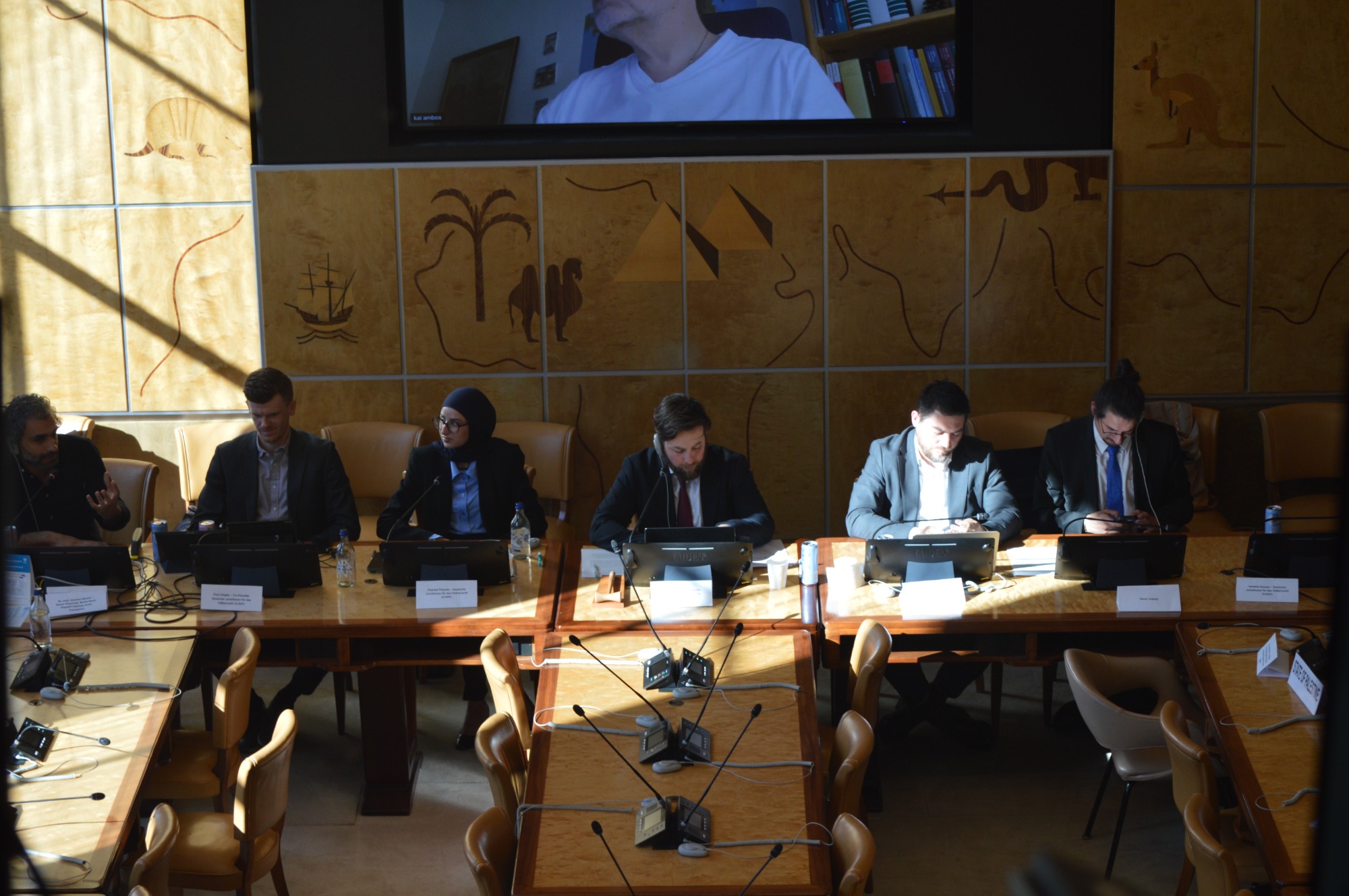
On April 24, 2026, at the Palais des Nations, United Nations (UN), Geneva
Key Findings
"The crisis is not of unclear law, it is of unequal compliance"
Among the Forum's conclusions: the current "crisis of international law" is not a crisis of substantive law at all, but a crisis of enforcement, caused or sustained by a small number of States. The body of law remains intact; what is missing is uniform application and the political will for rules-based enforcement - while the will of civil society is to be bent or broken through State violence and repression, as well as attempts at media intimidation. The international judiciary is being disrupted and beset by personal and infrastructural attacks on its reputation, funding, data systems, and data access, precisely because it holds powerful States to account.
In the case of Palestine, and contrary to the position taken by the German Federal Government, there is no unclear or complex legal situation. The findings of the ICJ, the UN Commission of Inquiry, the Special Rapporteurs, and the OHCHR converge on apartheid as the framework and a (plausible) genocide as the culmination of a system that encompasses Gaza and the West Bank alike - entrenched in legislation by the Death Penalty Law of 30 March 2026 as an arbitrary, discriminatory, and annexationist "legalisation of the illegitimate."
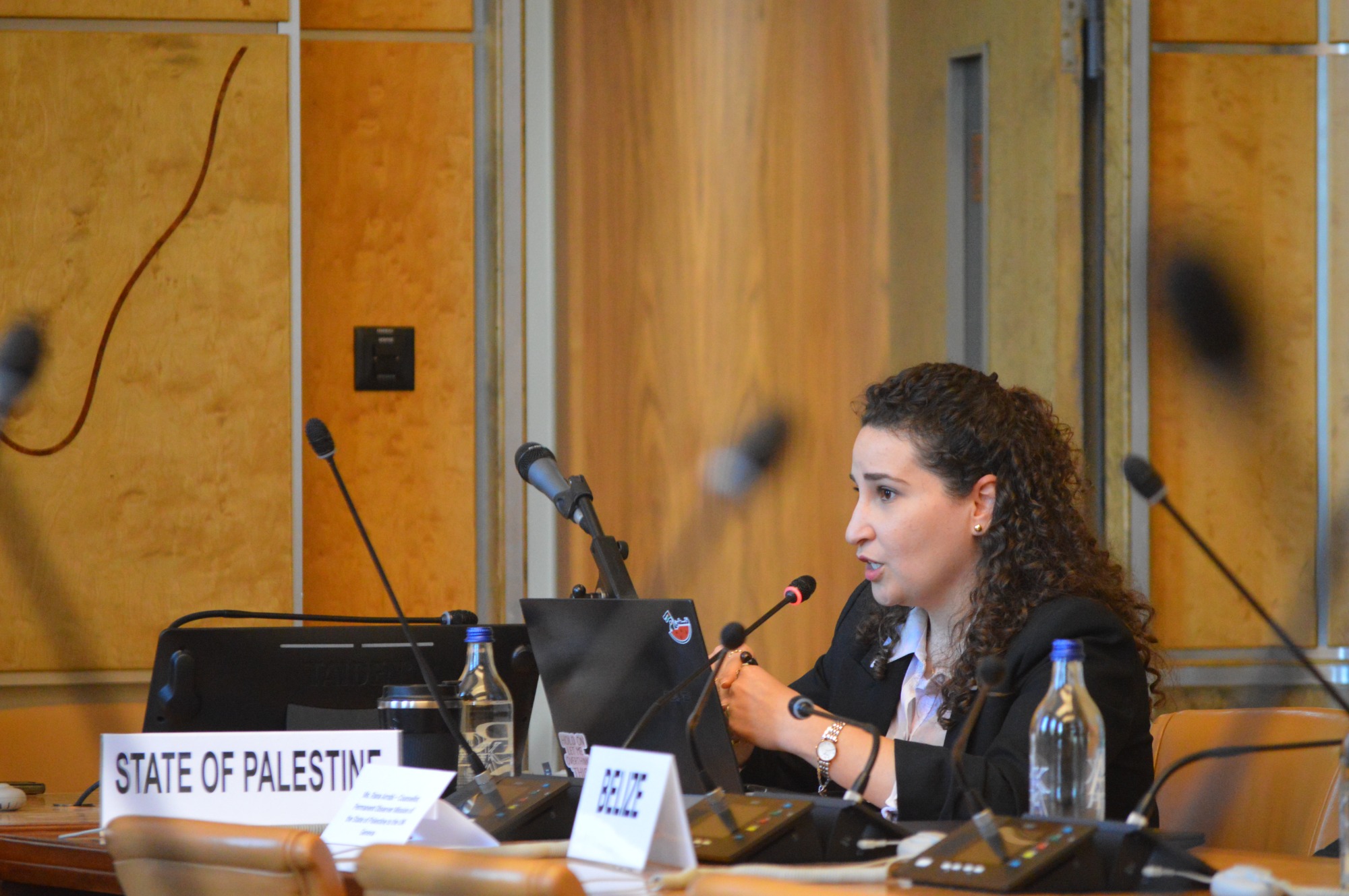
Just how far from abstract all of this is, Rana Arrabi drove home during her address in Geneva, using the example of the law on the death penalty for "terrorists" passed by the Knesset on 30 March 2026:
"So for Palestinians, this is not an abstract legal debate. It is about whether law will continue to be used as a weapon against them or whether international law will finally be applied with seriousness, consistency, and consequence."
Arrabi continued:
"(...) in the absence of accountability unlawful conduct escalates. What is required now is not merely condemnation, but action. States must act consistently with their obligations under international law. They must not aid, assist, recognize, normalize or sustain unlawful situations as confirmed by the ICJ and its advisory opinions. They must ensure accountability and they must act with urgency to prevent this law [the death penalty law] from becoming yet another mechanism through which Palestinian lives are placed at the mercy of a discriminatory and coercive system. At the minimum, at this moment, pressure must be exerted to at least revoke this law. But we all know that this alone is not enough. What this moment reveals is the danger of always treating a new Israeli measure as an isolated incident, detached from the wider structure that produces it. So if the broader reality is still intact, the next measure will follow and the next measure will follow."
- Rana Arrabi, Counsellor of the
Permanent Observer Mission
of the State of Palestine to the UN,
24 April 2026
From this arise binding obligations for third States - in practical terms, the immediate cessation of arms deliveries, the targeted sanctioning and arrest of war criminals, and the non-recognition of Israel's seizure of land - the fulfilment of which does not lie within the discretion of the States acting in breach, Germany foremost among them.
The repeatedly documented double standards - for instance, Ukraine as compared to Palestine - are the central credibility problem of the West. In the view of all participants of the Geneva Forum, there is no alternative to the rules-based order.
„I strongly believe that there is no alternative to a rules-based international order."
- Prof. Dr. Dr. h.c. Kai Ambos,
(Judge Kosovo Specialist
Chambers, The Hague),
24 April 2026
Note: The full statement from the Geneva Forum will follow. The key findings and the statement do not claim to reflect the individual views of all participants. Rather, they summarise the conclusions reached, in the DJfdV initiative’s own assessment, on the basis of a comprehensive summary of the discussions held on 24 April 2026.
A UN event with international participants from the fields of academia, professional practice and diplomacy


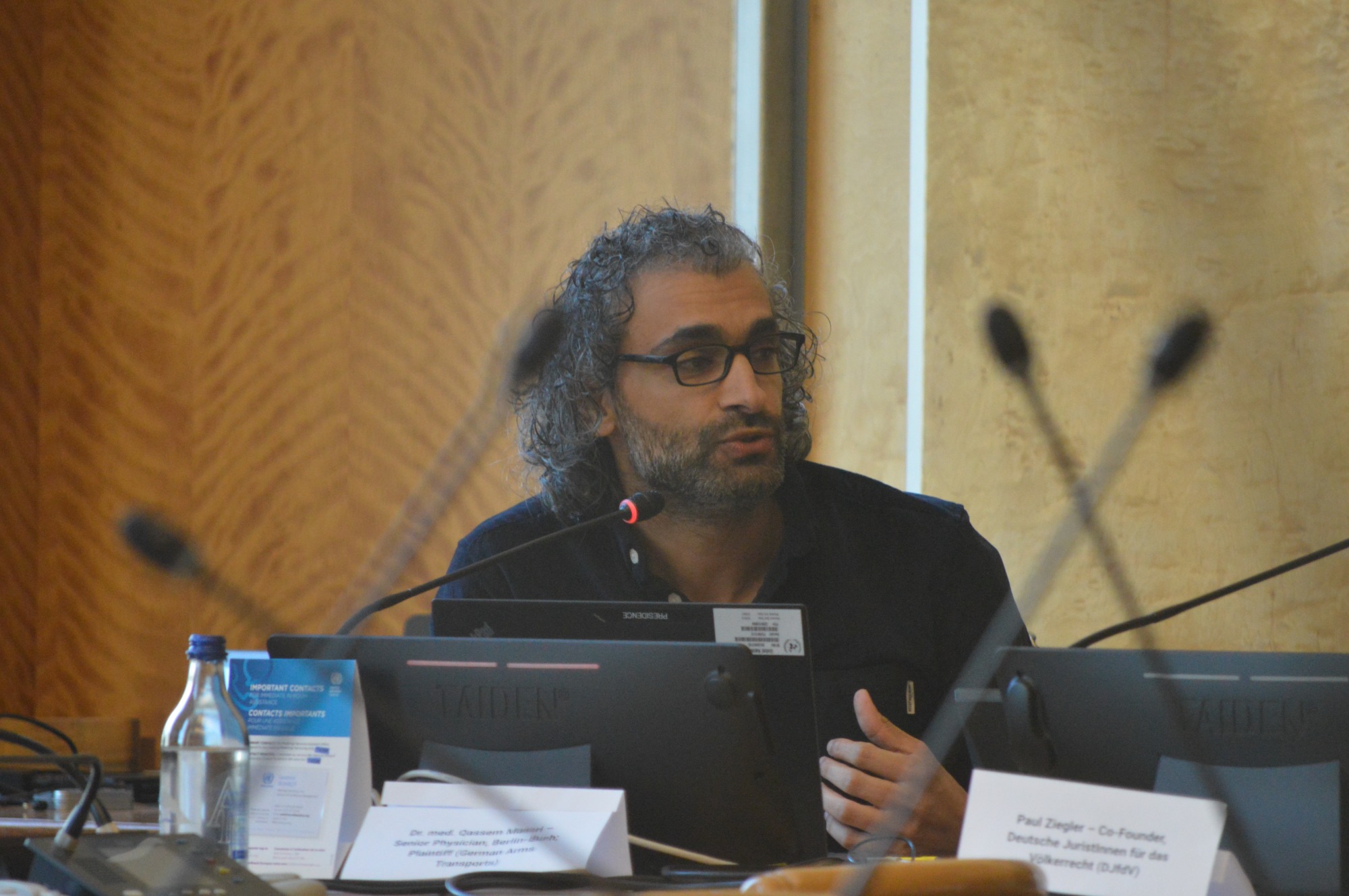
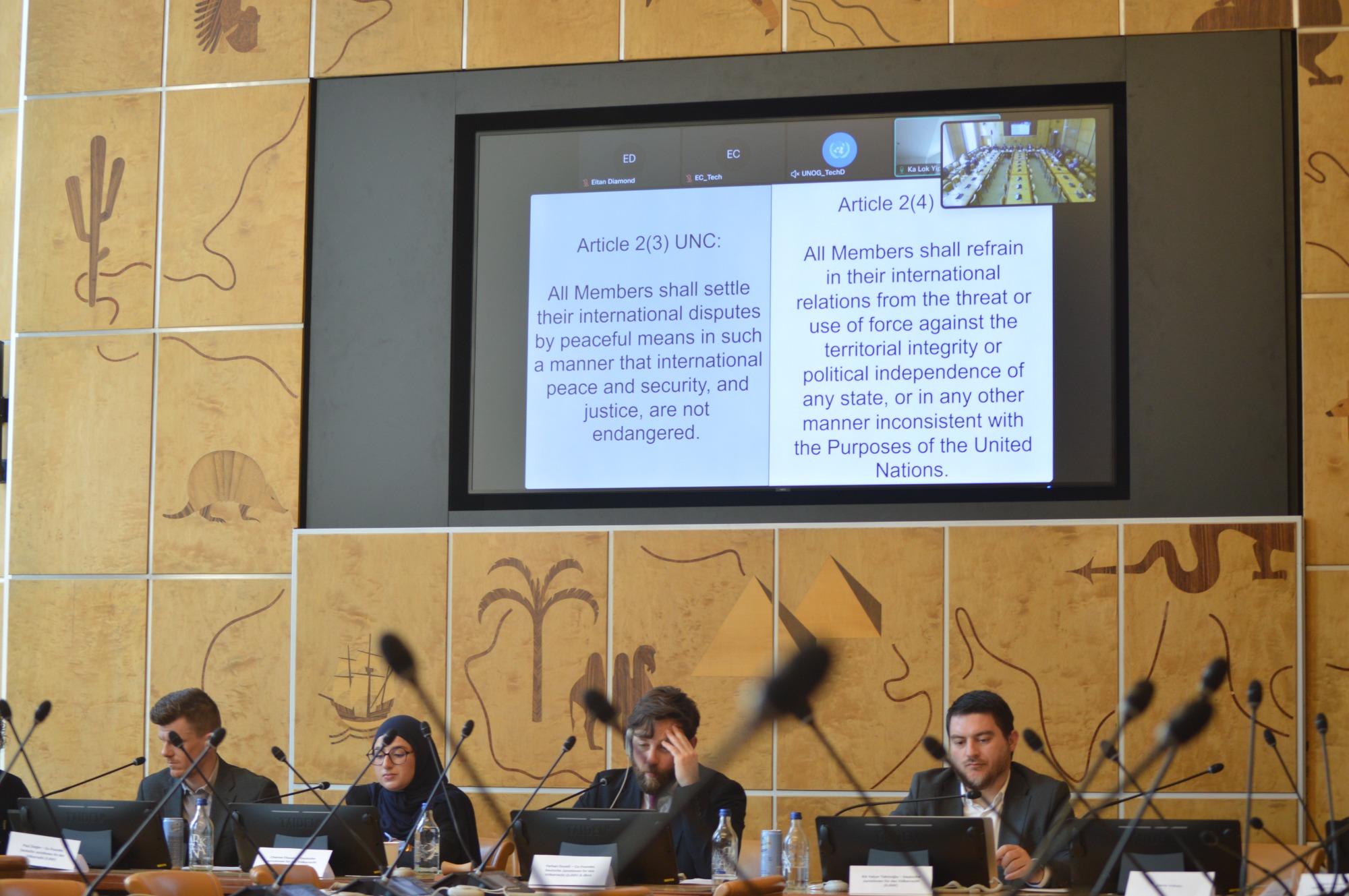
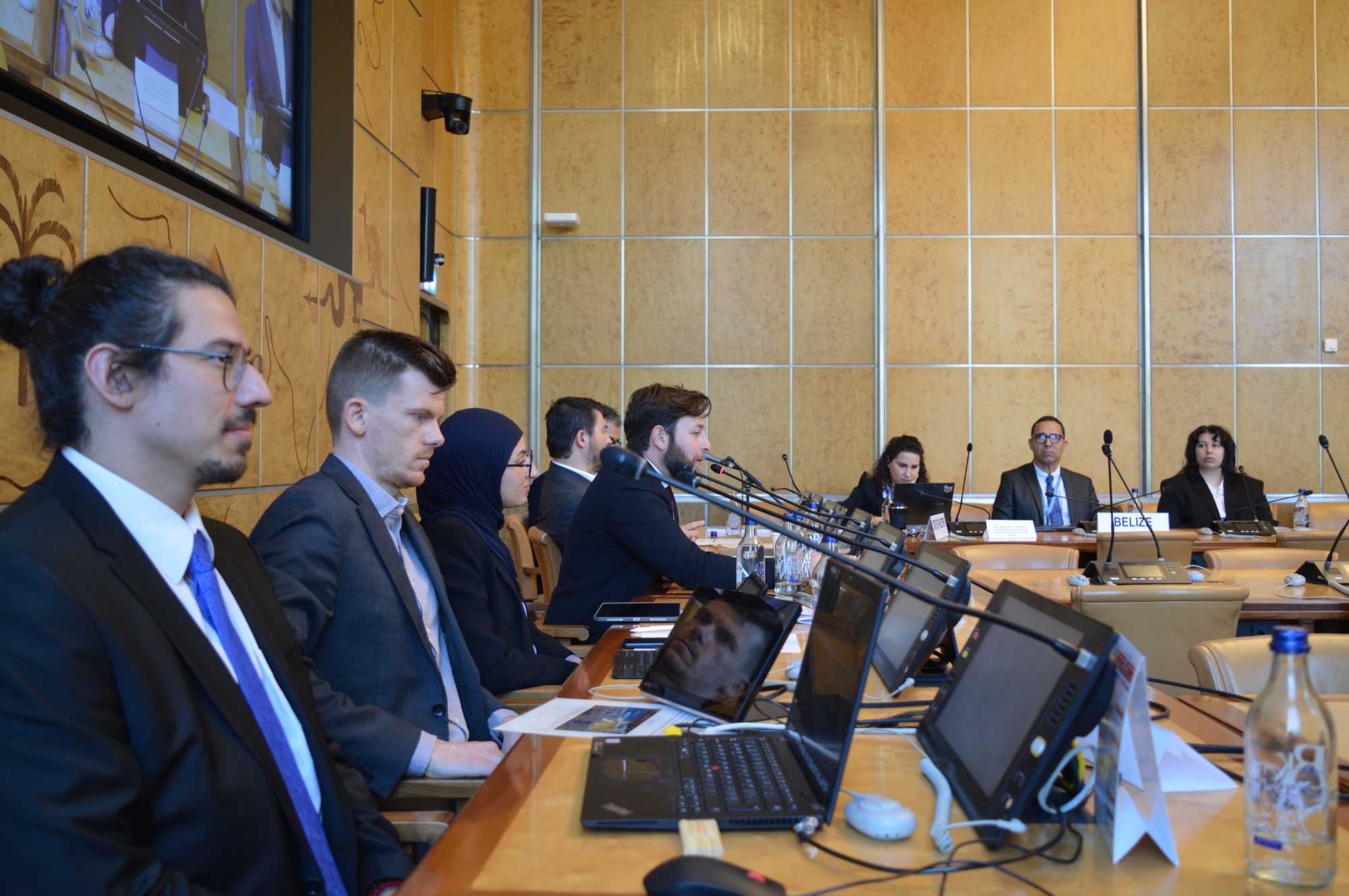
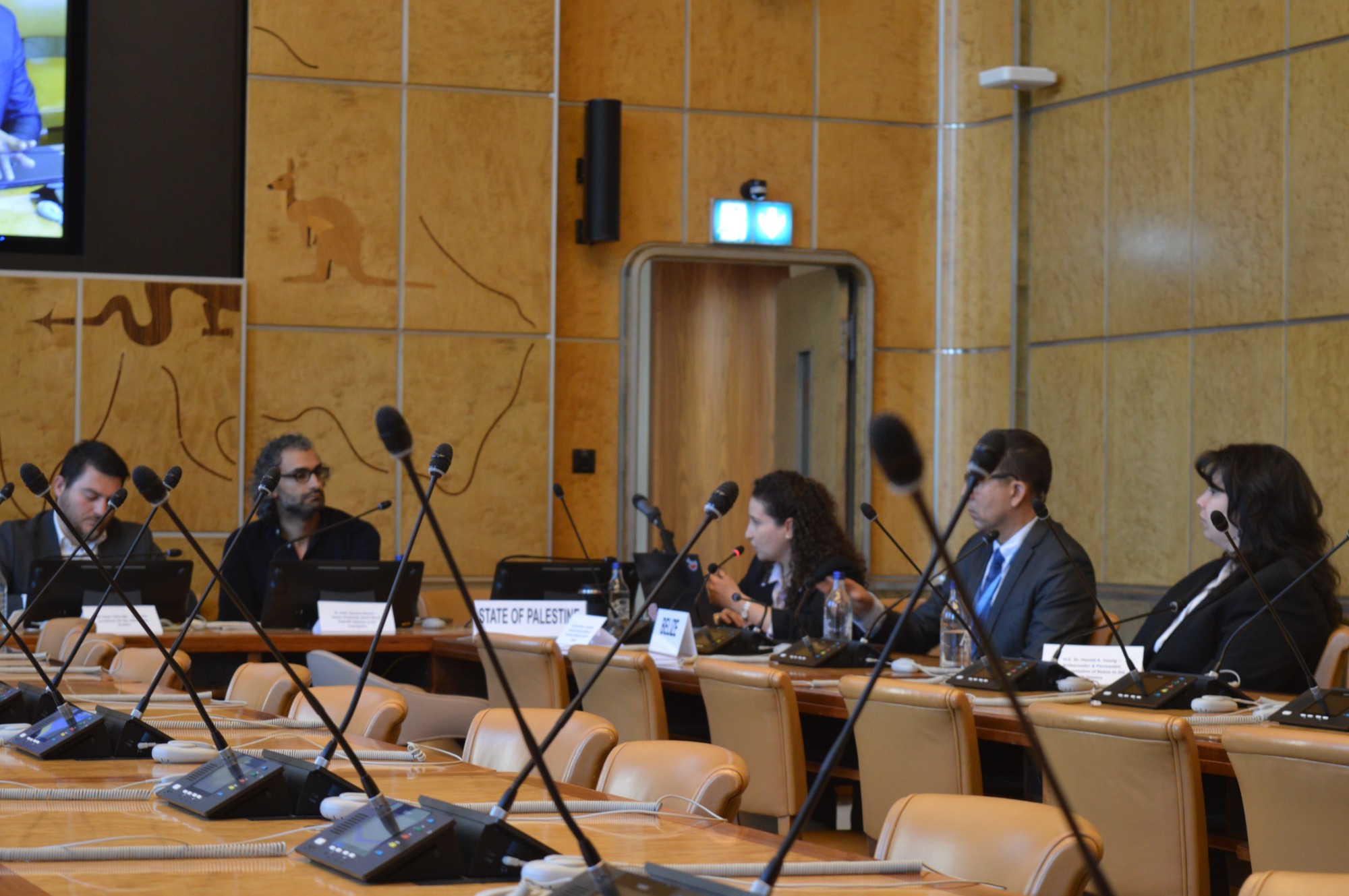
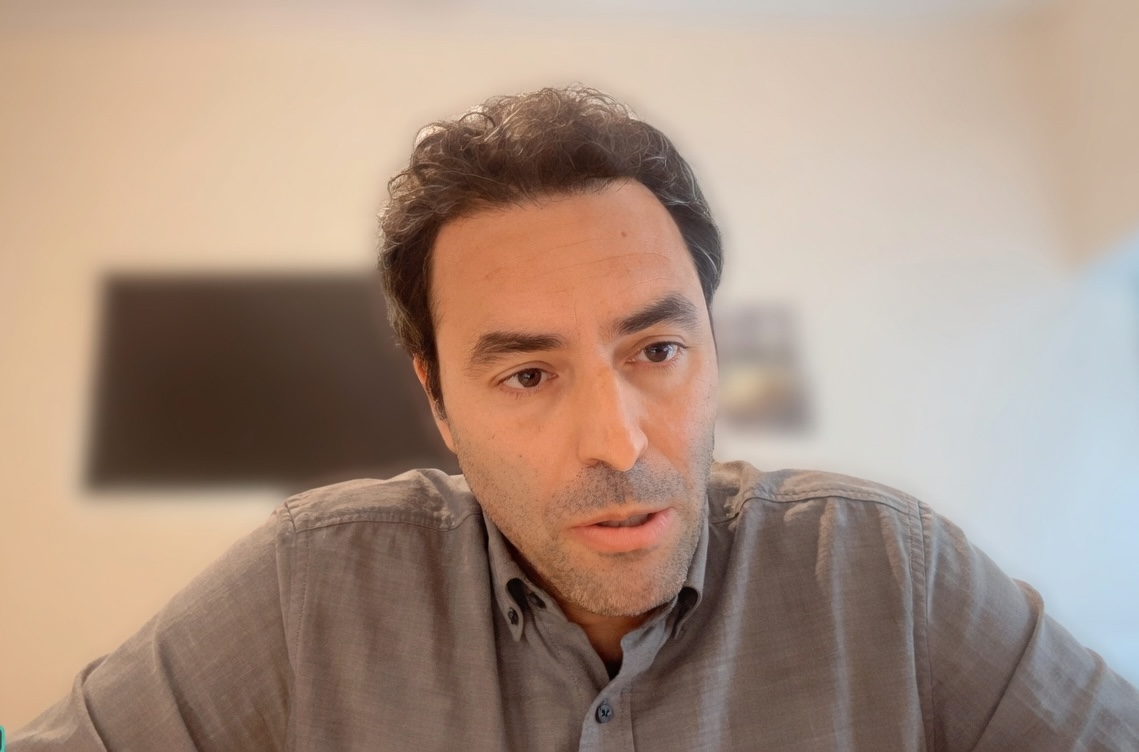
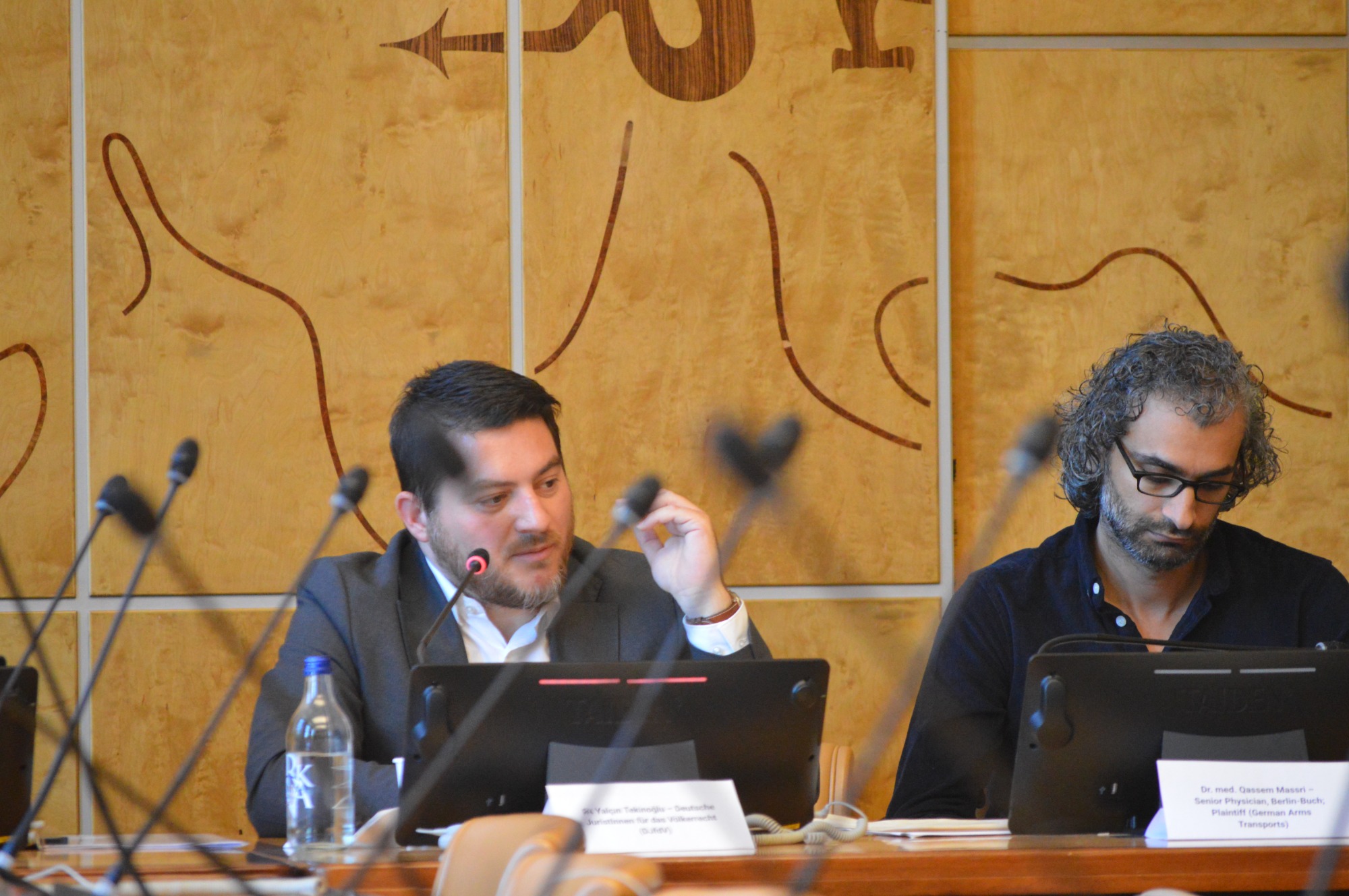
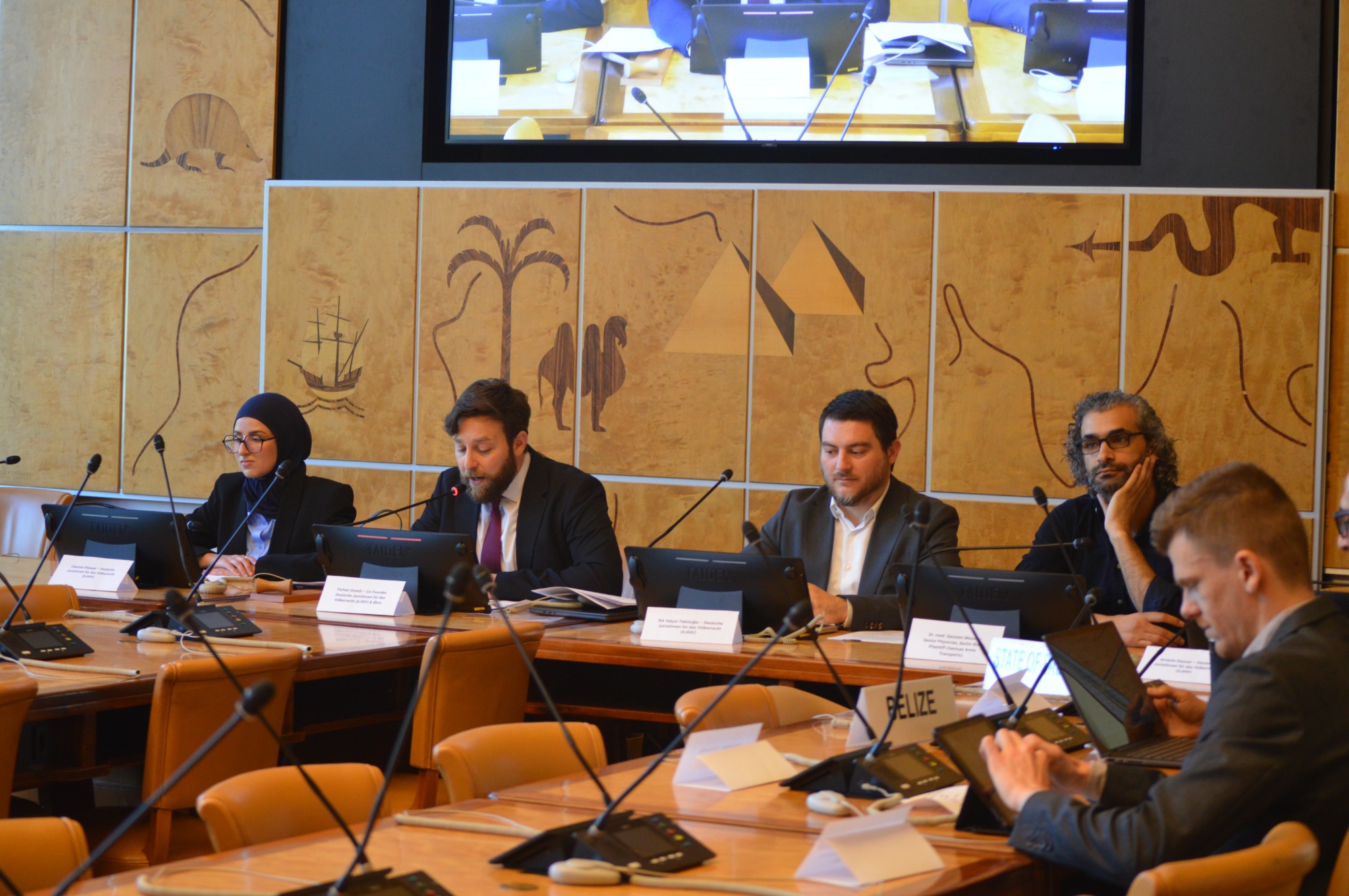
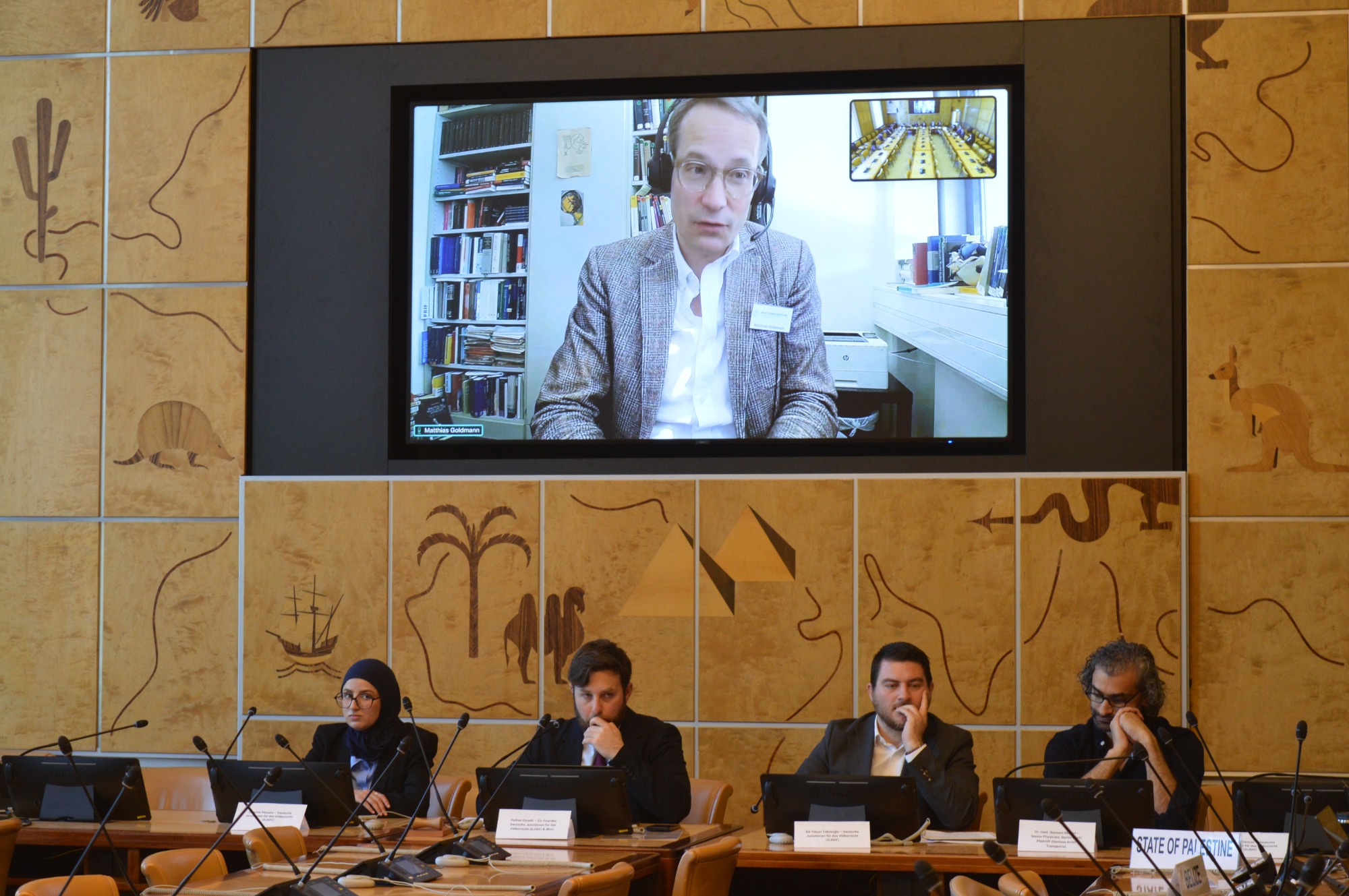




All pictures © 2026 GHRD by Alej
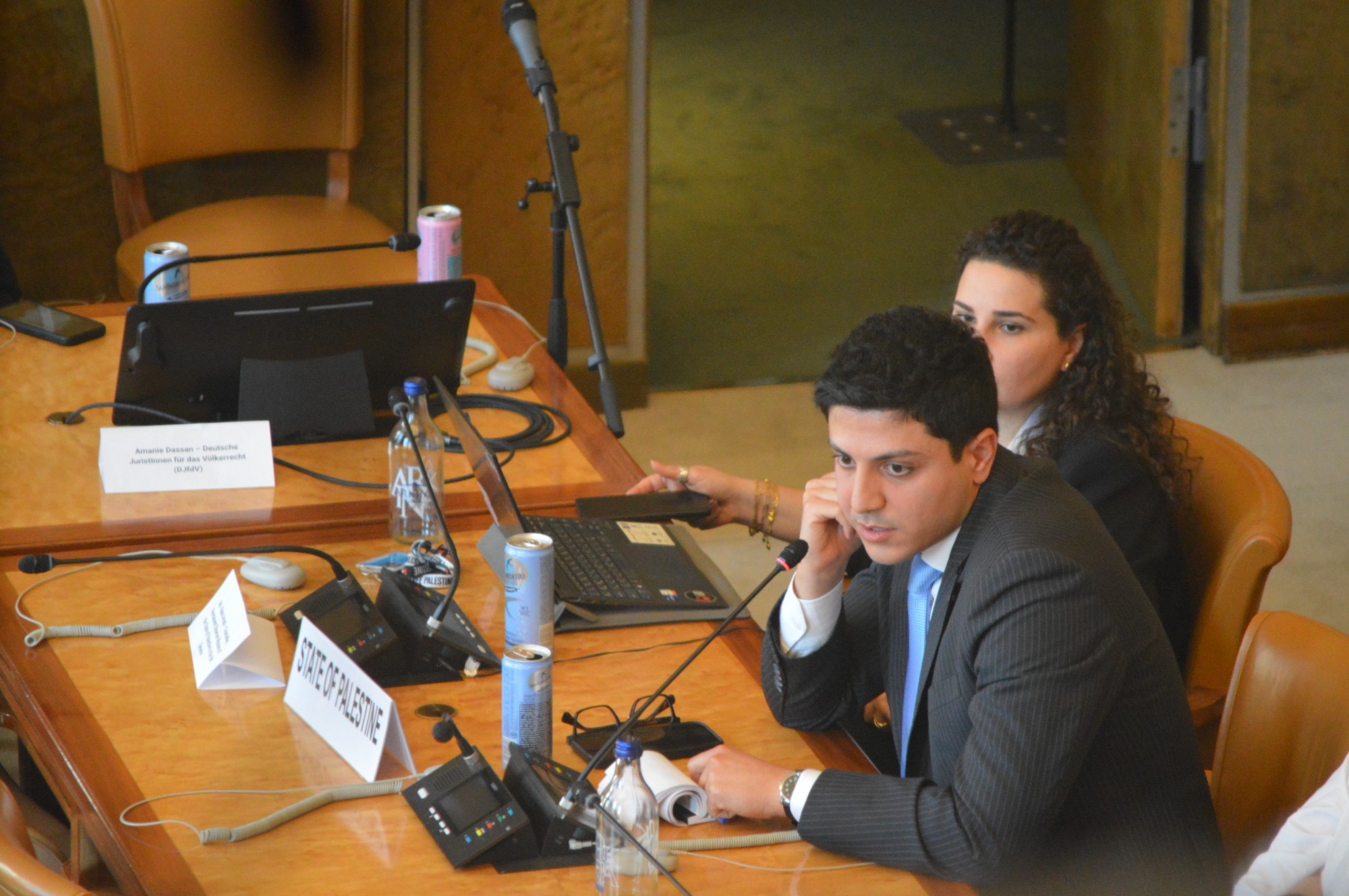
The State side was represented by Ambassador Dr. Harold A. Young, Permanent Representative of Belize to the United Nations in Geneva, and by the diplomat Rana Arrabi, Counsellor of the Permanent Observer Mission of the State of Palestine, accompanied by further delegates in the roundtable, including from the Netherlands and from other NGOs.
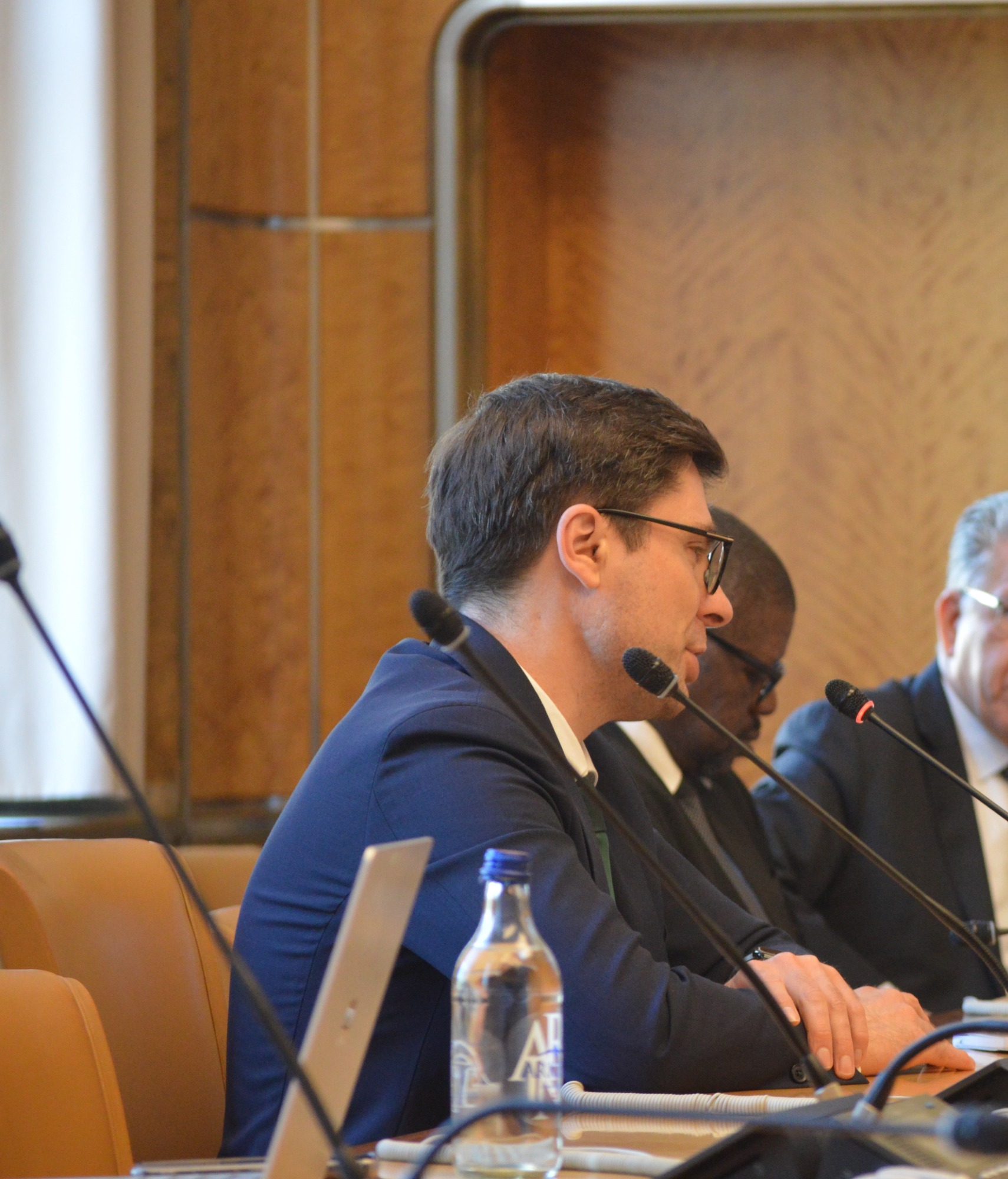
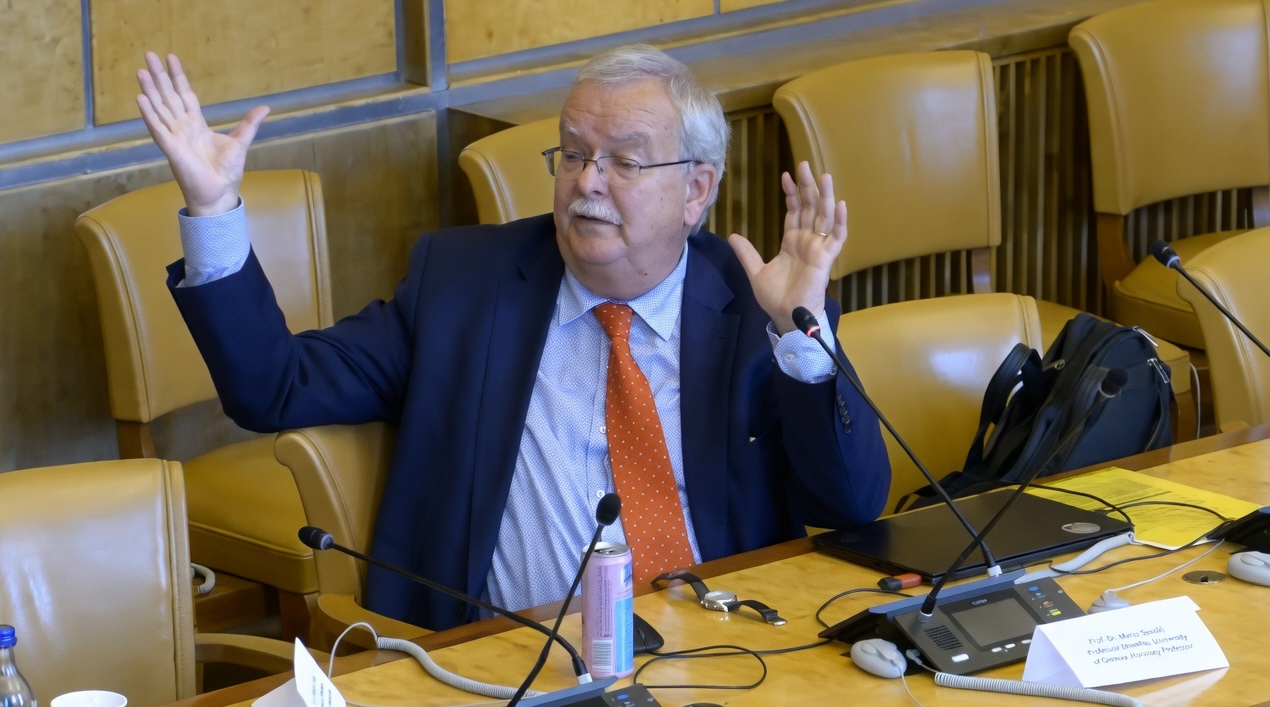
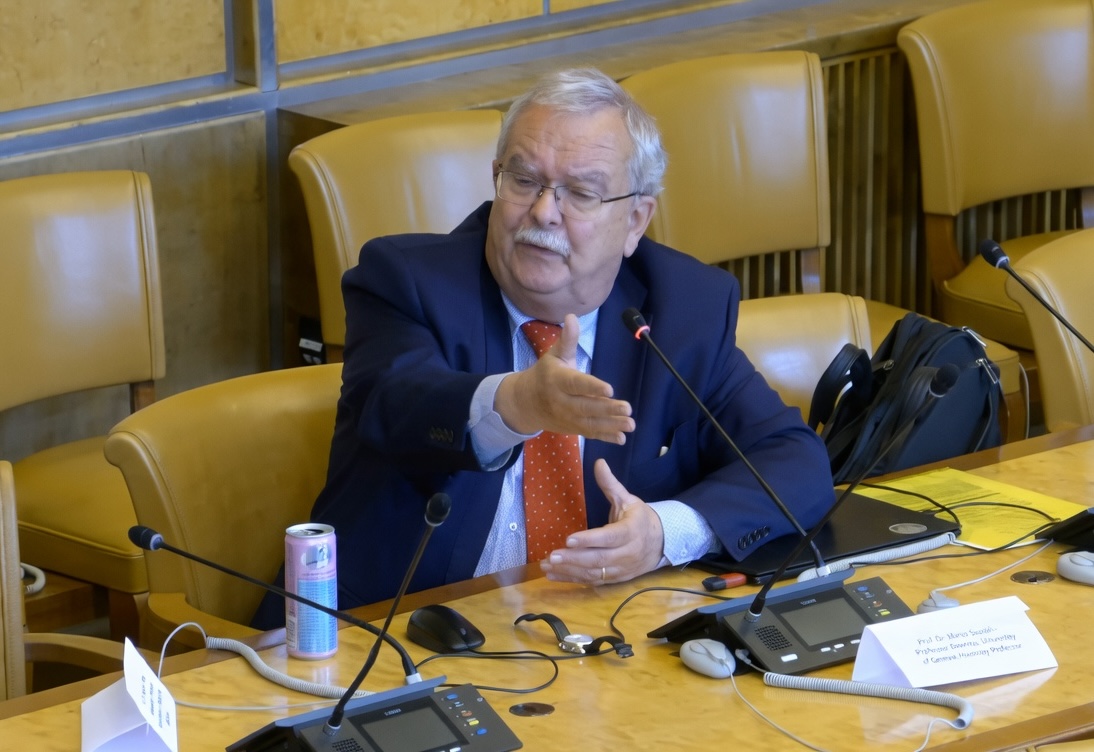
From academia, Prof. Dr. Matthias Goldmann, LL.M. (EBS University; Max Planck Institute, Heidelberg), Assist. Prof. Dr. Ka Lok Yip (Hamad Bin Khalifa University), Prof. Emeritus Dr. Marco Sassòli (University of Geneva), and Prof. Dr. Dr. h.c. Kai Ambos presented their assessments on the questions before the Geneva Forum. Dr. Gleb Bogush (University of Cologne) moderated the first roundtable discussion as an expert.
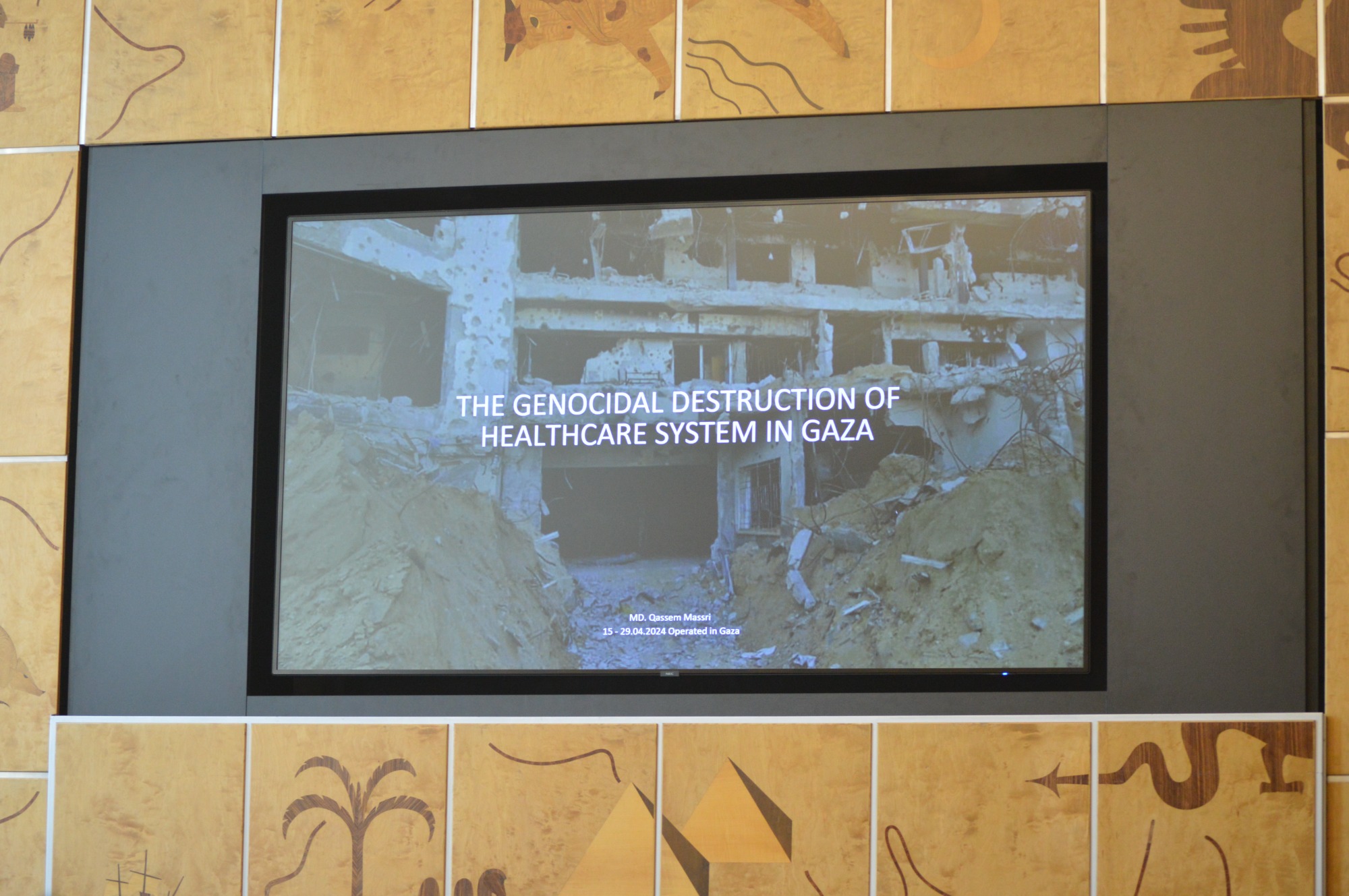
Practice was represented by human rights expert Dr. Eitan Diamond (IHL Centre, Jerusalem) and by Dr. Qassem Massri, a paediatrician from Gaza who has taken legal action in Germany against arms deliveries to Israel.
Watch The Talks In Full
Session I
The independence and effectiveness of international courts as a Frontline of Multilateralism
This session addresses an institutional question: how judicial institutions are currently placed under pressure and what this means for the multilateral order. The focus lies on the ICJ and ICC – their independence, sanctions against court personnel, non-cooperation with arrest warrants, and non-compliance with judicial orders. Following Prof. Goldmann's and H.E. Dr. Harold Young's presentations, the Forum opens to inclusive, multi-stakeholder dialogue – an exchange of perspectives between state delegations, international legal scholars, human rights organizations, and all other participants.
"Will International Courts Die Quietly or Screaming?"
Prof. Dr. Matthias Goldmann, LL.M. (NYU)
(Chair of International Law, EBS University; Research Fellow, Max Planck Institute)
Opening, title: Independence and Impartiality of International Courts in Times of Autocratic Oligarchy
„Fund the Court, Free the Court: A Caribbean Lesson for The Hague"
H.E. Dr. Harold Young
(Ambassador Extraordinary and Plenipotentiary and Permanent Representative of Belize to the UN)
Title: ICJ and ICC Under Pressure (from a diplomatic point of view)
Session II
Compliance challenges in international law: What happens when courts fail?
This session examines the impact of the failure of multilateralism and diplomacy for peace on compliance with various bodies of international law – international humanitarian law (IHL), international human rights law (IHRL), international criminal law (ICL), and jus contra bellum – in multiple ongoing conflicts worldwide.
"It Was Not A War - It Is A Genocide": A Palestinian Doctor's Testimony
Dr. med. Qassem Massri
(Palestinian, Senior Physician, Plaintiff on German Arms Transports)
Re-opening: Compliance challenges in international law: What happens when courts fail?
Genocide, Apartheid & the Death Penalty as a Weapon
Rana Arrabi
(Counsellor, POM of Palestine to the UN)
Title: From Genocide to Accountability: The Death Penalty as Institutional Mirror
Israeli Legal Expert Dismantles Israels Death Penalty Law
Dr. Eitan Diamond
(Manager & Senior Legal Expert, IHL Centre)
Title: Lethal Injustice: An International Law-Based Assessment of Israel’s “Death Penalty for Terrorists” Law
"Diplomacy for Peace Is Doubling as Diplomacy for War"
Assist. Prof. Dr. Ka Lok Yip
(Hamad Bin Khalifa University)
Title: The Impact of Multilateralism on Compliance with the Jus Contra Bellum
"It's Not Humanitarian" - On Whether the Laws of War Still Matter
Prof. Dr. Marco Sassòli
(Professor Emeritus, Univ. of Geneva; Honorary)
Title: Is IHL still relevant in contemporary armed conflicts?
"No Alternative to a Rules-Based Order" - On the Iran War and the Use of Force
Prof. Dr. Dr. h.c. Kai Ambos
(Judge Kosovo Specialist Chambers, The Hague)
Title: Politics over Law
Joint Human Rights Initiative
The academic and diplomatic roundtable was convened and documented in partnership with the host Global Human Rights Defence (GHRD) and German Lawyers for International Law (DJfdV), directed by (dbco.).
GHRD is a human rights organisation accredited with UN ECOSOC and headquartered in The Hague, advocating worldwide for justice, equality, and human dignity. DJfdV, a civil society platform of over 140 jurists founded in 2025 to advocate for human rights, the rule of law, and the enforcement of international law.


Contact
About the Geneva Forum
24 April is the International Day of Multilateralism and Diplomacy for Peace, proclaimed by the UN General Assembly.
The forum marks this date in Geneva – the birthplace of international humanitarian law – to reaffirm, in the spirit of paras. 2 and 6, final clause: 'including through educational and public awareness-raising activities' of that resolution (A/RES/73/127), the importance and relevance of multilateralism and international law – the foundation of collective peace. The universality of legal accountability and multilateral cooperation stand at the center of this forum.
The independent Geneva Forum convenes international law experts, state representatives, and civil society to examine institutional threats to judicial independence and systematic compliance failures in ongoing armed conflicts worldwide. Through open, evidence-based discourse and legal expertise, we call on all governments to enforce international standards consistently and globally, and to recommit to multilateralism and diplomacy as the path to peace.
We have no commercial interests; all organisational expenses are covered by the participating partner organisations and through in-kind contributions.
An association is currently being established as the Forum's permanent host.